
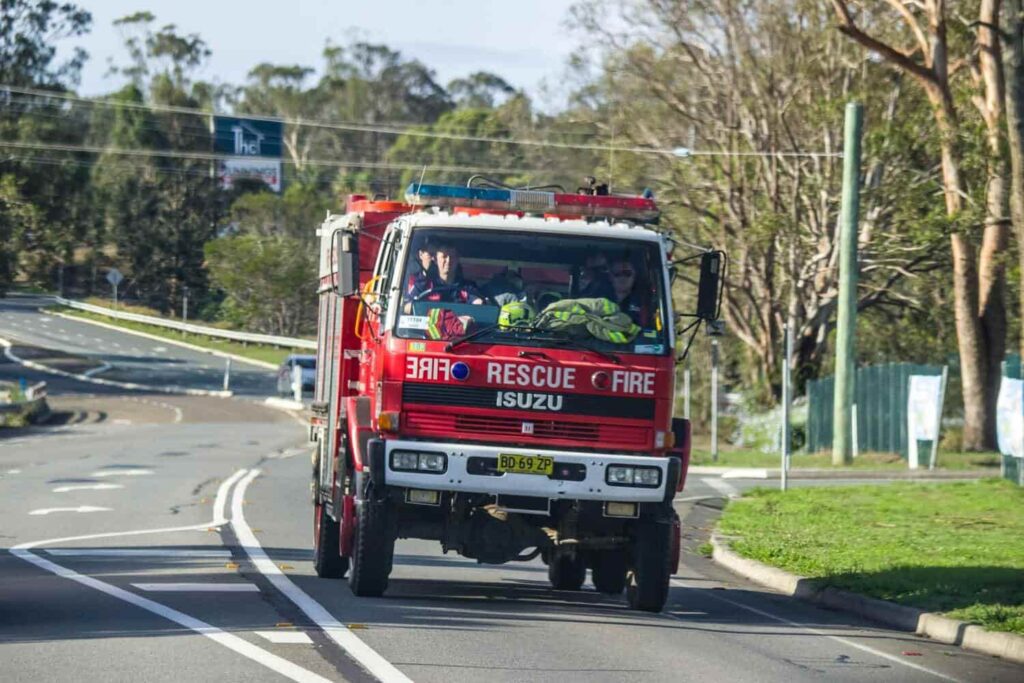
The essential role of TPD insurance in your career
Total and Permanent Disability insurance is one of the most important benefits available through superannuation, yet many people are unaware they have it until illness or injury prevents them from working.
Many superannuation funds include TPD cover as part of a member’s insurance package. This means you may have contributed to this protection throughout your career, often without realising it.
It is not charity, and it is not a favour. It is a financial safety net designed to support you if injury or illness prevents you from returning to work in accordance with your policy.
For emergency workers and first responders, this protection can become especially important. These roles require people to place the needs of others first, often in physically demanding and emotionally difficult situations.
Common conditions: when physical and mental health take a toll
Frontline roles can place significant strain on both physical and psychological health. The impact of the work may build over time through repeated exposure to emergencies, violence, critical incidents and emotionally charged situations.
Many frontline professionals experience work-related post-traumatic stress disorder, cumulative stress, anxiety or depression. These conditions may develop gradually and can have a serious impact on a person’s ability to continue working.

Nurses, police officers, paramedics and firefighters may also experience physical injuries from lifting patients, carrying equipment, repetitive strain, wearing heavy gear or years of physically demanding work.
Chronic back, neck and joint injuries can have lasting effects. In some cases, these injuries may affect a person’s ability to return to their role, depending on their medical evidence, policy terms and individual circumstances.
Eligibility: can emergency workers claim TPD?
Whether you can claim TPD often depends on how your policy defines total and permanent disability.
Many policies use either an Own Occupation or Any Occupation definition. The difference matters, especially for emergency workers and first responders.
For many first responders, these definitions are important because their roles often involve physical demands, rapid decision-making and exposure to traumatic or high-pressure situations.
Navigating the claim process with KSC Law
Starting a TPD claim can feel overwhelming, especially when you are already dealing with the physical or emotional impact of leaving a career you once loved.
The process can involve significant paperwork, medical evidence, insurer correspondence and follow-ups. Many people face this at the exact moment they have the least capacity to manage it.
KSC Law can assist by managing the claim process on your behalf, including reviewing the policy, gathering supporting medical evidence, preparing the claim and communicating with the insurer or superannuation fund.
This support can help reduce the administrative burden while ensuring the claim is prepared with the evidence needed to address the relevant policy definition.
Frequently asked questions
Does a TPD claim affect my workers’ compensation?
Most of the time, a TPD claim does not affect your workers’ compensation claim because they are separate claims. It is often possible to pursue both if the relevant criteria are met.
However, the way payments interact can vary. In some situations, there may be offsets, repayment obligations or other considerations depending on the policy terms and applicable scheme.
Can I claim for mental health conditions like PTSD?
Mental health conditions such as PTSD, anxiety, depression and cumulative stress can form the basis of a TPD claim where the condition prevents a person from returning to work in accordance with the relevant policy definition.
Frontline roles may involve repeated exposure to trauma, critical incidents and high-pressure situations, which can have a significant impact over time.